
Disaster strikes. You’re sitting in the office, sipping coffee and typing a boring report on analyzed statistics of local water supplies, when suddenly, the power goes out. You look down at your phone, and it’s dead too. Your worst nightmare has just come true, and an EMP has gone off and shut the United States down. It’s time to bug out… or is it? In today’s episode of “Squared Away” I’m going to be thinking through the entire bug out process as best I can, and sharing my thoughts with you to help you plan your getaway (Or lack thereof).
The common thought process among most people new to this lifestyle believe that getting up and escaping their area is the best possible way to go, but is it really? Let’s look at the considerations for leaving your home in an emergency situation, such as social unrest, a disease outbreak, or an EMP.
Having a Place to Go
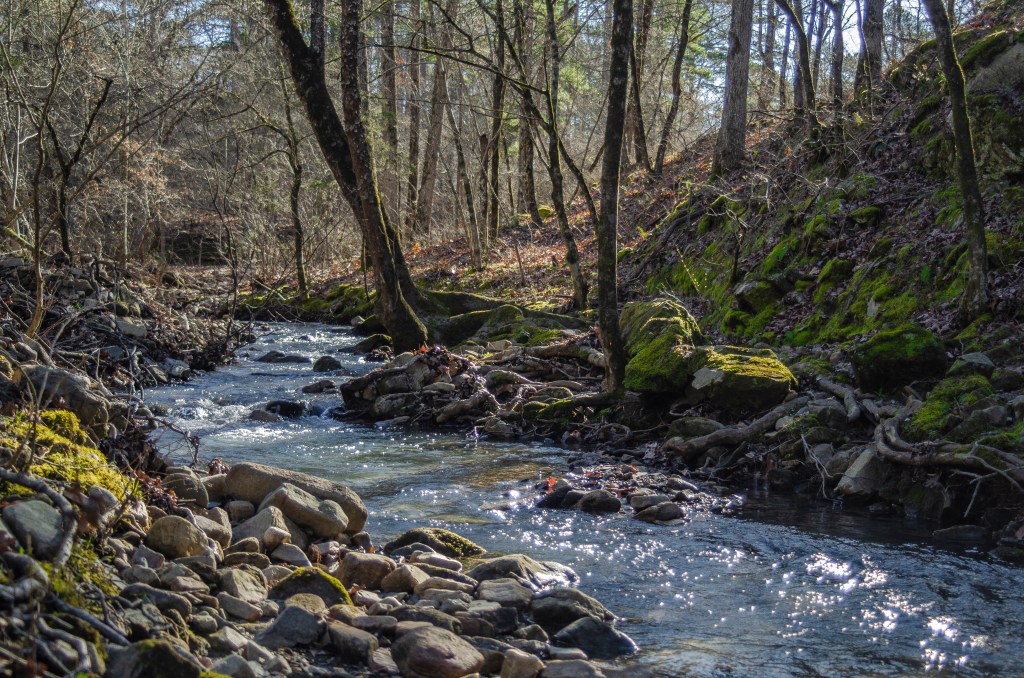
My first and largest consideration for bug out situations is having a designated, safe, well thought out destination. Generally, when asking a non survivalist about their emergency plan, their response is to get out of the urban area and go to the woods. At this time, I point out that everyone in the room had the same answer, and likely thousands more would attempt to do the same in that situation. This is potentially walking into a dangerous situation if you haven’t pre-planned a safe destination. Do you have shelter at that area? Is it secure? Are other people going there, and if so, are they friend or foe? Is your designated location more easily defended than where you are now?
Having Transportation
So you have a destination. Now you need transportation. In an EMP situation, you may have problems with your vehicle, barring the use of a Faraday cage in your garage, and that’s going to lead you to trouble. Moving on foot through any urban environment to anywhere is thoroughly dangerous, even for a well trained military unit. This is not feasible, and I would not recommend this. If your vehicle is in working order, you’ll have to contend with space considerations. You’ll need to think about the size of your family, the supplies and gear you’ll need to move, and your fuel reserves. If you’re trying to move a family unit of four, you need four seats, plus accommodations for food, water, shelter, and clothing enough for your trip. Assuming you have the room to transport your family, you now need to take in terrain considerations. If you need to go off road to get to your destination, you need a vehicle that can handle being off road. Plan for this, or you may find yourself on the side of the road, leaving precious supplies in your car just so you can get to your bug out location. And last, the fuel consideration. If you find yourself in a disaster situation, if you are depending on a quarter tank of fuel, odds are you won’t make it to your bug out location. Keeping a reserve available may offset this, and prevent you from ending up on the roadside. Keep in mind that carrying extra supplies might cause a reduction in fuel efficiency.

Having Supplies
Can you sustain life for a long range movement? Do you have enough water? Do you have enough food? The average human eats five pounds of food per day. And that’s assuming you’re average. You’ll also average 2 liters of water per day. That’s a lot of weight, and a lot of space. Short range vehicle trips are still viable, but anything on foot is most likely not, less so without extensive long range training. If it is possible to sustain life in your home base, my analysis would recommend that you stay in place. If all your supplies are at home, stay home. If you have all your supplies in a bug out location, it’s time to weigh in the risks.
Having Community
So you’ve got supplies, you’ve got transport, now it’s time to get out to your nice, secluded cabin out in the woods. Right? Maybe not. Considerations need to be made for security, development, and maintenance, and that is going to require a team with multiple skill sets, and much more than just two or three. Yes, there’s the chance that you catch any potential intruders coming up to your bushcraft utopia, but let’s be honest, when people are panicking, they’re going to be trying to take your food and water any way they can. There is zero way that you and your four person family are going to be able to pull effective security, maintain sanitary conditions, and maintain sustainable resource gathering practices. If you cannot sustain these conditions, it may be best to stay put where you can operate functionally.

Security
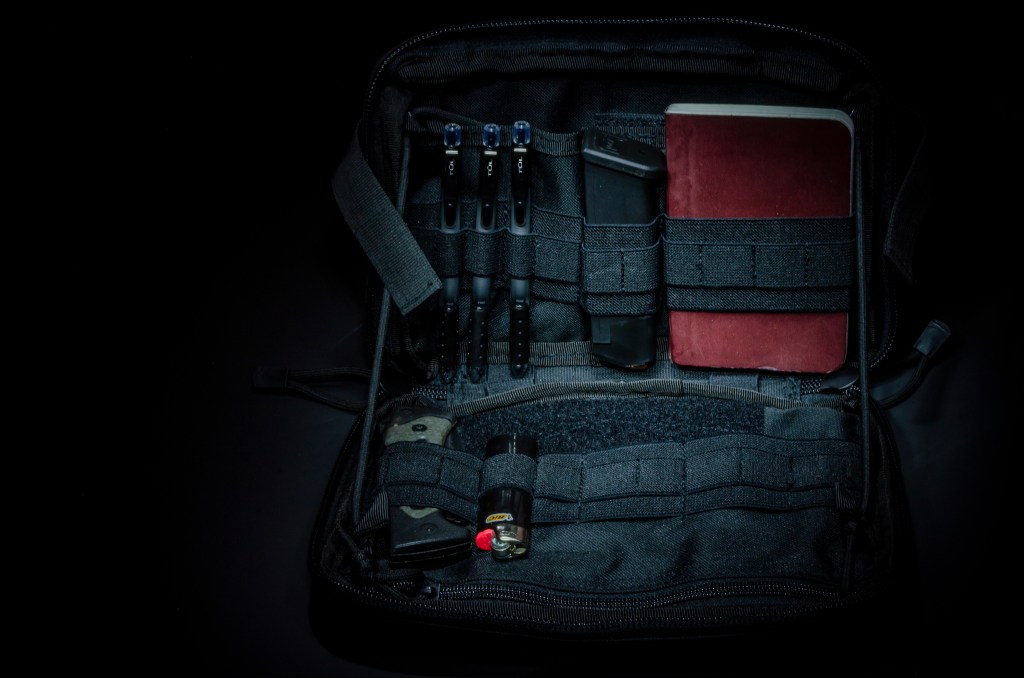
Moving in an emergency situation is dangerous. Between people panicking and making stupid choices, looters, or in a long term disaster, scavengers, you have a lot to think about. This is especially true of inner city dwellers, where criminal activity is rampant and hard to avoid. There are gangs, thieves, and opportunistic individuals who will thrive in a disaster or emergency scenario, simply out of a willingness to kill or take what belongs to others. This means you need to look at your starting point, your destination, and everything that lies in between. Inner city issues include tall buildings, dangerous alleys, and the potential for gang blockades and similar issues, but they also leave you with plenty of ways to navigate. Things I would want in an emergency for security are discreet weapons, discreet body armor, ammunition, and a pre-determined safe way out of the area.

Now imagine escaping one hundred miles of it.
Having Communication
This is the last topic I will discuss in this post, as it is insanely important. If you intend to bug out, you need to be able to maintain communication with the other people you know in your area, as well as people who can produce resources you may need to trade for. A proper radio system will help you maintain connection with reconnaissance teams as well, depending on the scope of your disaster, and your need to keep track of a certain area. As well as this, maintaining a social connection with the world will help you understand the situation outside your bug out location, and you should definitely include monitoring methods such as an FM/AM radio and perhaps a police scanner. This can help you effectively track an emergency situation, and know when it or\if it is safe to return to your primary location.
Bugging out really isn’t the best solution for the beginning modern survivalist for all the reasons stated above. It’s a lot of work to develop your preparedness for this kind of situation, and it’s still not a guaranteed payoff. With that in mind, I’ve elected not to bug out unless there is absolutely no other option. Hopefully this helps you make up your mind on whether you should bug out or stay at home, and helps you get ready for the more complicated steps of preparedness. This post has been weeks in the making, and I’d love to hear your thoughts about it. Head on over to my Facebook page and shoot me a message to have an in depth discussion:

 modernsurvivalarkansas.com