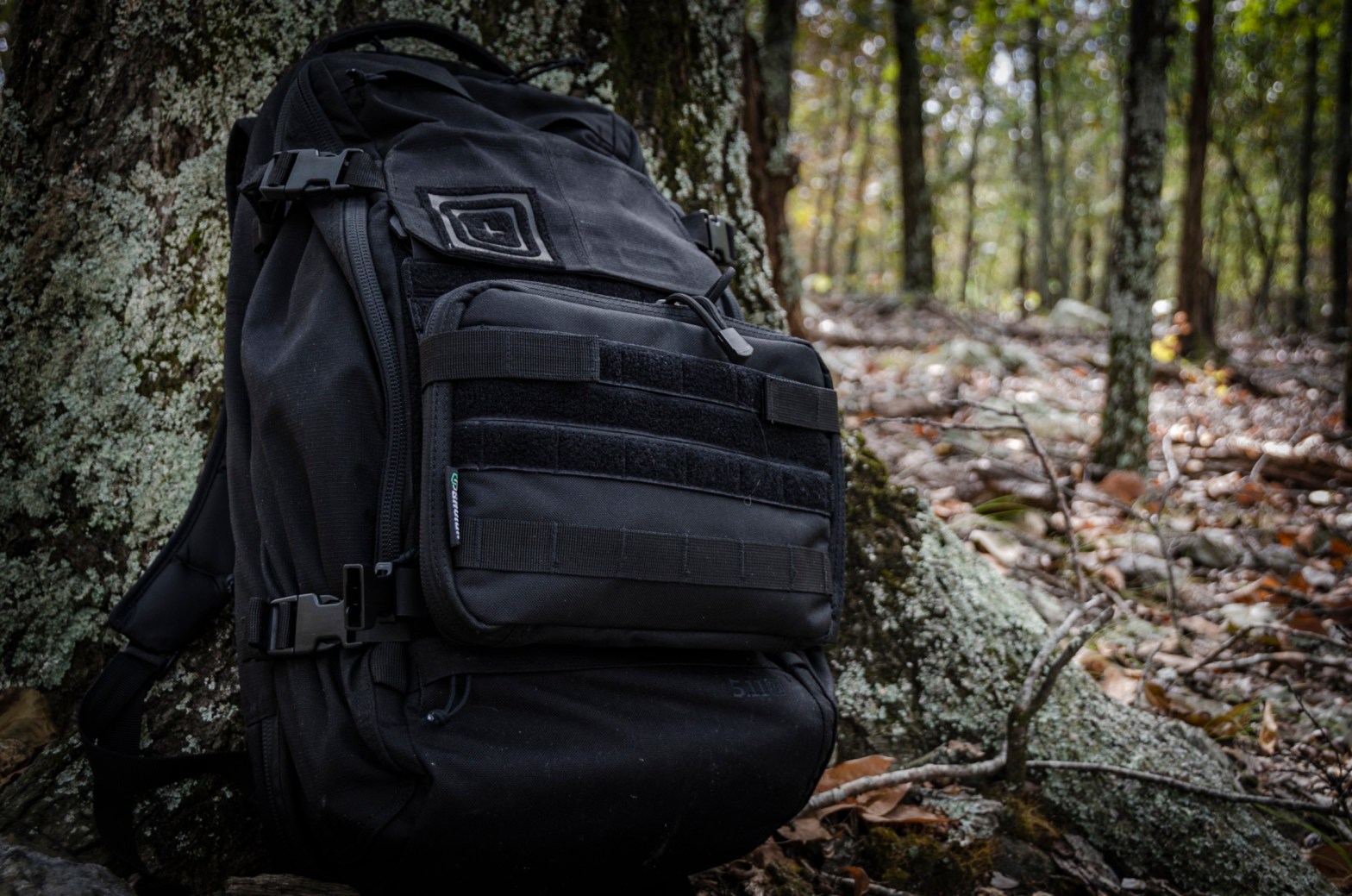
When people think about a natural disaster, they often think of packing up as much as they can carry, and driving or walking away from society. It’s called bugging out, and I first heard of it on a show called Doomsday Preppers (A stupid show, that has since been mercifully cancelled). It’s the standard strategy for people planning to survive a natural disaster, but it’s often times very poorly thought out. The concept seems solid, and for some people, it’s exactly the right move. But we’re gonna through some of the things you need to figure out before you bug out.
Family
Family is an important aspect of any bug out plan. Yeah, you could just leave them behind, but that’s a bit messed up. Or, maybe you’re a lone wolf, with no family to speak of, and that’s fine too. But if you have any family you plan to bring with you, think about feeding them long term, think about mobility, and think about security. Questions to consider are:
- Are my family members on the same page regarding bugging out/staying home?
- Are there any elderly family members to consider when bugging out?
- What kind of medical conditions will elderly family members require additional support for?
- Does my bug out location have the equipment to support medical conditions?
- Are there any children in my bug out group?
- Can the children travel long range on foot? If no, do I have the equipment to facilitate their movement?
Fitness
This one plays a big role in going anywhere on foot. A bug out bag is not going to be light, the terrain won’t always be easy, and driving won’t always be possible. So if you haven’t been working on your fitness training, it might not be the right option to leave your home. Keep in mind that it’s not just your fitness level, but also that of the people travelling with you that must be taken into account. A good point to start would be hiking with a heavy backpack, and doing some basic leg strength training. Questions to ask yourself include:
- Can I move a sustained distance for more than a week, with a heavy load?
- Have I considered tactical gear in my weight? (I.E, rifles, vests/LBE, helmet)
- Will you be carrying tactical gear?
- How much does your gear weigh?
- Can your family members travel on foot?
- Can your family carry gear?
Security
Other people are dangerous, especially when they are desperate. Escaping from an inner city environment may present security challenges from gangs, police, or other armed civilians. These people may be scared, confused, desperate, and trying to secure a toppling infrastructure. If you are well armed, you may present a target. If you are well provisioned, you may present a target. If you aren’t either, you’re almost certainly a target. Consider the route you’ll take out of the area, and consider blind spots. Consider taking routes that have low/no activity, and always keep your head on a swivel. In the case where you are leaving, you need to have pre-considered every aspect of your escape, because you’ll probably be travelling through areas that other people know better than you. Questions to ask yourself should be:
- Is my route secure?
- Do I have arms, ammunition, and training to defend myself?
- Do I have manpower to defend myself and my family?
- Do I know and understand the environment I will be traveling in?
- Am I in good physical condition to fight?
Destination
Whatever your plan is, you need to have a destination chosen. Some people have a BOL, or bug out location, and some people don’t. Being aimless in your travels is not conducive to a long term survival plan, and may potentially put you in more danger. Planning a destination should focus on the same aspects as your big out plan. Questions to ask yourself include:
- Am I in good physical condition to travel?
- Do I have resources to reach my destination?
- Is my destination secure?
- Will my destination be secure after a disaster?
- Is my destination at a safe distance from said disaster?
Mobility
If you don’t plan to travel on foot, you need to consider your vehicle. If you plan to go solo, a motorcycle may be the best option. It’s got solid mobility, can be used off-road with the right equipment, and can aid in carrying a certain amount of gear. This could also be an acceptable choice if your family are all old enough and skilled enough to ride. Motorcycles could also be a good scout vehicle, and are reasonably fuel efficient. For some, having a motorcycle isn’t the route to take, and upgrading to a truck or SUV would be my recommendation. Paired with the ability to store more people and supplies, along with the ability to extend your range and mobility through extended fuel tanks and overlanding modifications allow for a truly long range platform. Ultimately, your vehicle only needs to be something that can get you to your destination. All the extra parts are a huge benefit, and can extend your sustainability long term. Questions to consider when outfitting you’re vehicle:
- Does my destination require off-road travel?
- Is my destination accessible by vehicle?
- What is the distance to my destination?
- How much equipment and supplies do I need to be carrying?
- How many people will I be transporting?
- Are there multiple effective drivers in my group? (Multiple drivers carrying extra equipment will extend your capability upon arrival at your destination.)
Summary
Ultimately, the decision to bug out or bug in is incredibly multi faceted. I plan to continue this as a series, and plan out more bug out consideration and go farther into depth on how, when, and what to do. I’m hopefully going to be able to consult with some experts in individual areas. Stay tuned to the website for more awesome survival stories, reviews, and informative articles!
 modernsurvivalarkansas.com